+86-13921132875
Inicio - Carbon Steel - Carbon Steel Profiles & Sections

Carbon Steel Profiles & Sections

Cold Drawn Round Steel Bar

  • Cold Drawn Round Steel Bar

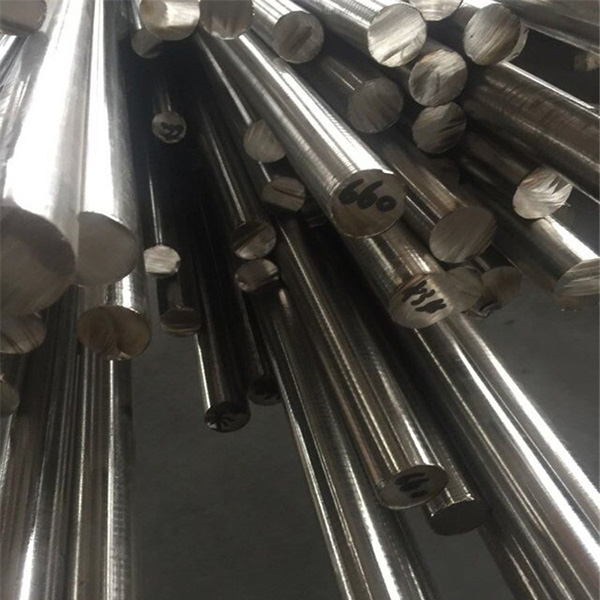
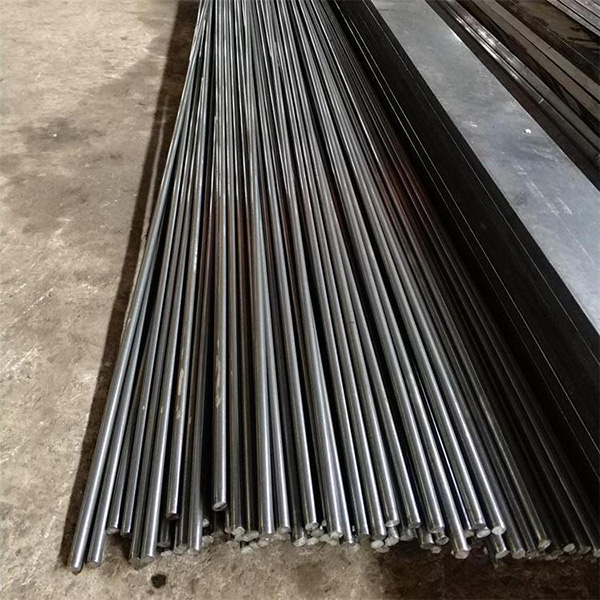
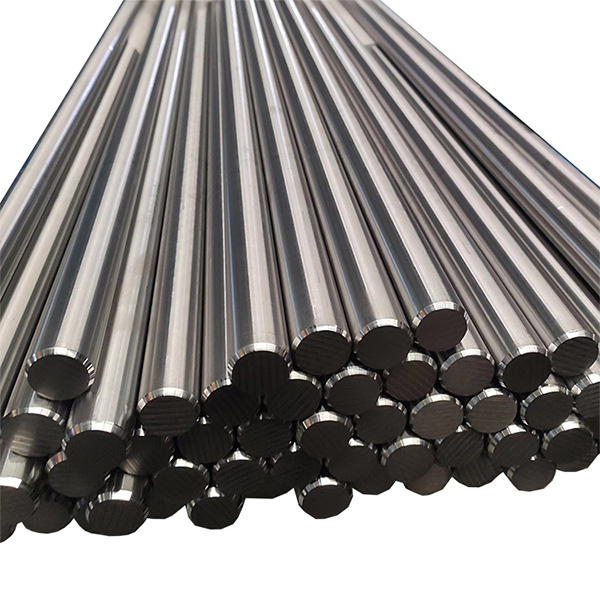
    Cold-drawn (cold-finished) round steel bars are produced by drawing hot-rolled bars through a die at room temperature (often after descaling and annealing). The process improves dimensional accuracy, surface finish, straightness and mechanical properties (higher strength and hardness) compared with hot-rolled bars. Cold-drawn rounds are preferred for precision machining, shafting, fasteners and applications requiring tight tolerances.

    Product Details

    1. Introduction

    Cold-drawn (cold-finished) round steel bars are produced by drawing hot-rolled bars through a die at room temperature (often after descaling and annealing). The process improves dimensional accuracy, surface finish, straightness and mechanical properties (higher strength and hardness) compared with hot-rolled bars. Cold-drawn rounds are preferred for precision machining, shafting, fasteners and applications requiring tight tolerances.

    Key standards include:

    • EN 10277 – Bright steel products (cold-drawn, turned, ground)

    • EN 10278 – Dimensions and tolerances of bright steel products

    • ASTM A108 – Steel bars, carbon and alloy, cold-finished

    • ASTM A29 / A311 – General requirements and stress-relieved bars

    • JIS G 4051, GB/T 905, etc.

    2. European Bright Steel Grades (EN 10277)

    Grade Family

    Examples

    Typical Characteristics

    Non-alloy

    C15, C22, C35, C45, C60

    General engineering, shafts, fasteners

    Free-cutting

    11SMn30, 11SMnPb30, 36SMnPb14

    High-speed machining

    Alloy

    16MnCr5, 20MnCr5, 42CrMo4

    Gears, high-strength shafts, automotive

    Case-hardening

    16MnCr5, 20NiCrMo2

    Surface-hardened components

    3. ASTM Cold-Finished Grades (A108 / A29)

    Grade Family

    Examples

    Typical Use

    Low carbon

    1008, 1010, 1018

    Welding, cold forming, general machining

    Medium carbon

    1040, 1045, 1050

    Shafts, axles, gears, fasteners

    Free-cutting

    12L14, 1215, 11L17

    High-speed automatic machining

    Alloy

    4140, 4340, 8620

    High-strength shafts, tooling, automotive

    4. Comparison: Cold Drawn vs Hot Rolled

    Aspect

    Cold Drawn

    Hot Rolled

    Dimensional tolerance

    Tight (h9, h10, h11 typical)

    Wider (as-rolled)

    Surface finish

    Smooth, bright

    Mill scale

    Strength / hardness

    Higher (work-hardened)

    Lower (as-rolled)

    Straightness

    Excellent

    Good

    Cost

    Higher

    Lower

    Machinability

    Often better (especially free-cutting)

    Standard

    5. Surface Conditions (EN 10277)

    • +C – Cold drawn

    • +SH – Turned (peeled)

    • +SL – Ground (centerless)

    • +PL – Polished

    • +C+SH / +C+SL – Combined processes for highest precision

    6. Typical Size Range

    • Diameter: typically 5 mm to 100 mm (larger sizes less common for cold drawing)

    • Length: commonly 3–6 m; custom lengths available

    • Tolerances: h9, h10, h11 (EN 10278) or ASTM A108 equivalent

    • Straightness: typically 0.5–1 mm/m or better

    7. Typical Applications

    • Precision shafts, pins and spindles

    • Fasteners, bolts, studs and screws

    • Machining stock for automatic lathes and CNC

    • Automotive components (axles, gears, linkages)

    • Hydraulic and pneumatic piston rods

    • General engineering parts requiring tight tolerances and good surface finish

    8. Important Notes

    • A complete specification should include: standard + grade + diameter + tolerance class + surface condition (+C, +SH, etc.) + length + any heat-treatment or testing requirements.

    • Cold drawing increases strength and hardness but reduces ductility; stress-relief annealing may be specified for critical applications.

    • Free-cutting grades (with S, Pb or Te) offer superior machinability but may have reduced weldability and toughness.

    • For highest precision and surface quality, ground (+SL) or polished bars are preferred.

    • Compared with hot-rolled bars, cold-drawn products provide better consistency for automated manufacturing.

    Industries Served

    Our expert staff helps customers across the country and across numerous industries find the stainless steel, carbon steel,roofing & wall Panels, nickel alloy and specialty metal products they need. From prototype component manufacturing to high-volume production runs, Aoin is your premier partner for your specialty metal needs.

    Frequently Asked Questions

  • Do you accept customized specifications and sizes?

    Yes, we supply products according to international standards (ASTM, EN, JIS, DIN) and can customize dimensions, thicknesses, coatings, and packaging according to your project requirements.
  • Do you provide Quality Certificates (MTC) and Certificates of Origin?

    Yes, we provide MTC complying with US standards (ASTM) and EN 10204 3.1, SGS/BV inspection reports, and Certificates of Origin for customs clearance.
  • What is the delivery time and MOQ?

    MOQ: 10-25 tons. Production time: 15-30 days after order confirmation.
  • Which countries do you export to?

    We export to Colombia, Guatemala, Venezuela, Peru, and all of Latin America. FOB/CIF supply available.
  • OTHER CUSTOMERS ALSO BOUGHT

  • Angle Steel Bars

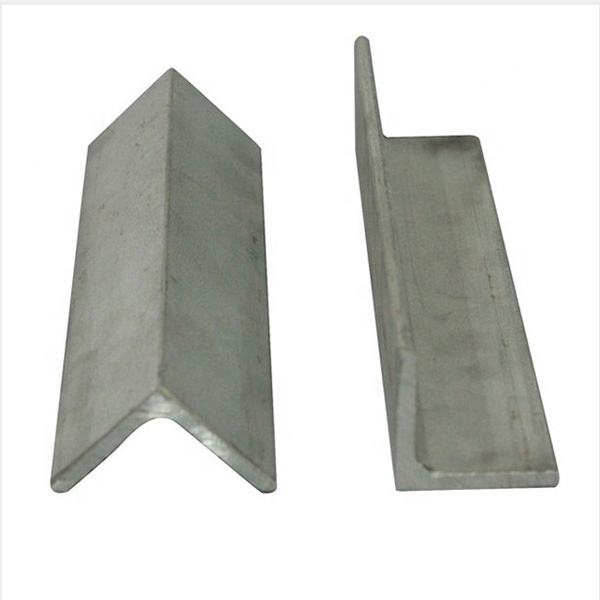
    Angle steel bars (also called angle iron, L-sections, or RSA – Rolled Steel Angles) are hot-rolled structural sections with an L-shaped cross-section consisting of two legs meeting at a 90° angle. They are produced in equal-leg (both legs identical length) and unequal-leg (different leg lengths) configurations.
    View product
  • C-Purlins

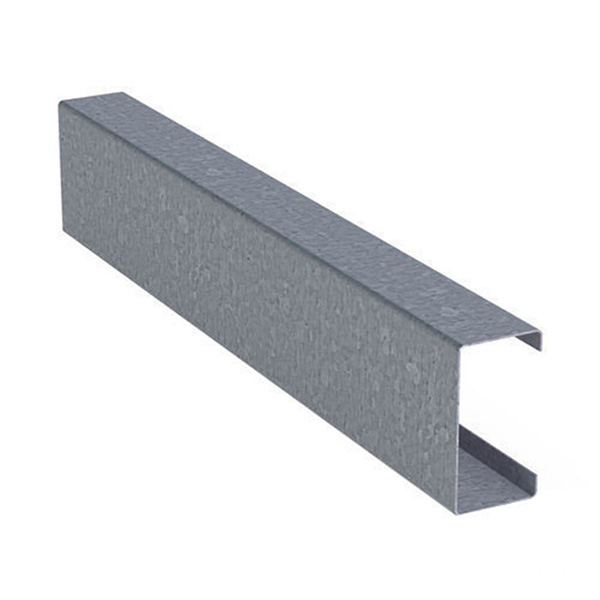
    C-purlins (also called C-sections or C-shaped purlins) are cold-formed structural steel members with a C-shaped cross-section, typically featuring lips on the flanges. They are primarily used as secondary framing members — roof purlins and wall girts — to support roof and wall cladding in industrial, commercial and agricultural buildings.
    View product
  • Cold Drawn Round Steel Bar

    Cold-drawn (cold-finished) round steel bars are produced by drawing hot-rolled bars through a die at room temperature (often after descaling and annealing). The process improves dimensional accuracy, surface finish, straightness and mechanical properties (higher strength and hardness) compared with hot-rolled bars. Cold-drawn rounds are preferred for precision machining, shafting, fasteners and applications requiring tight tolerances.
    View product
  • Flat Steel Bars

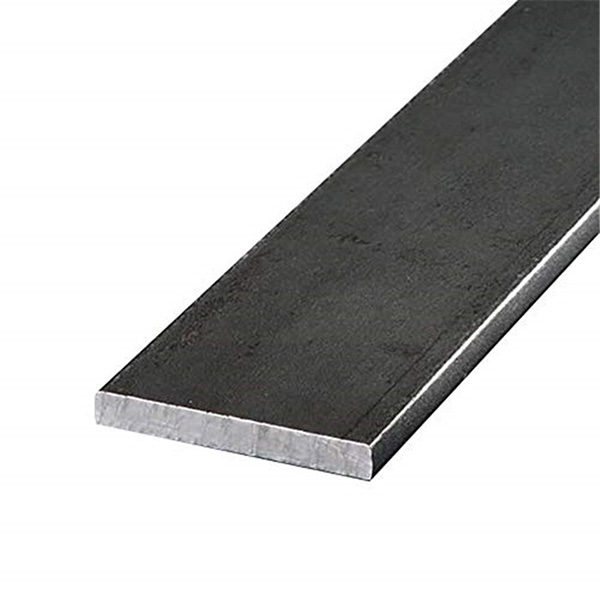
    Flat steel bars (also called flat bars, rectangular bars, or flats) are hot-rolled long products with a rectangular cross-section, characterised by a width significantly greater than thickness. They are distinct from plates (which are wider and typically produced on plate mills) and from strip (which is usually thinner and coil-produced).
    View product
  • H-Beam Steel

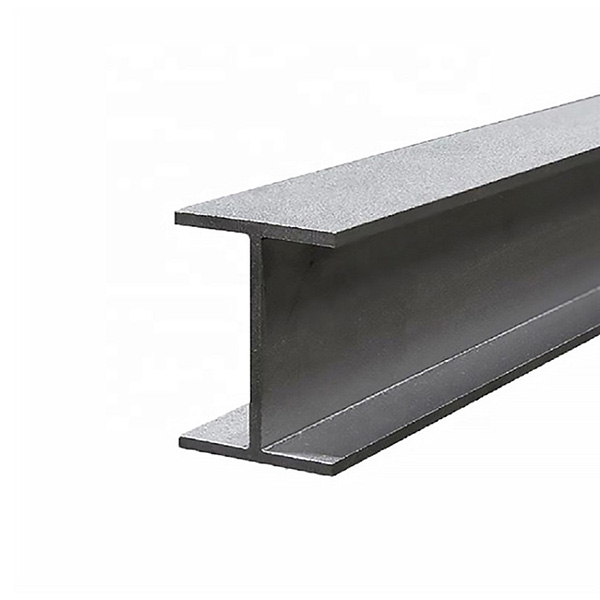
    H-beams (also called wide-flange beams, W-shapes, HE sections or H-sections) are hot-rolled structural steel beams with an H-shaped cross-section consisting of two parallel flanges connected by a web. The flanges are typically wider and thicker relative to the web than in traditional I-beams, providing excellent bending and axial load capacity.
    View product
  • Hot Rolled Round Steel Bar

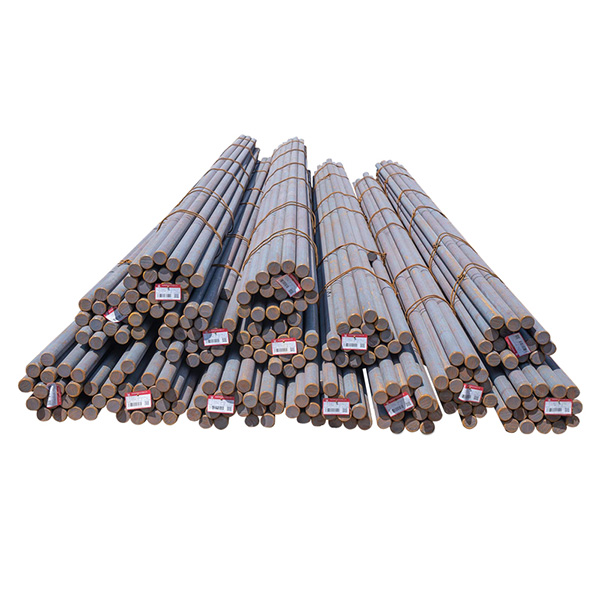
    Hot-rolled round steel bars are produced by hot rolling billets or blooms into circular cross-section bars. They are widely used for structural components, shafts, fasteners, reinforcement, machining stock and general engineering applications. Compared with cold-finished bars, hot-rolled rounds have a mill scale surface, wider dimensional tolerances and lower cost.
    View product
  • Online Application
    If you have any needs or questions, please complete the following form
  • +86 13921132875
  • info@wuxi-aoin.com
  • Lun - Vie: 9:00 am - 5 pm
  • 303 Hennessy Rd, Wan Chai, HK