1. Introduction
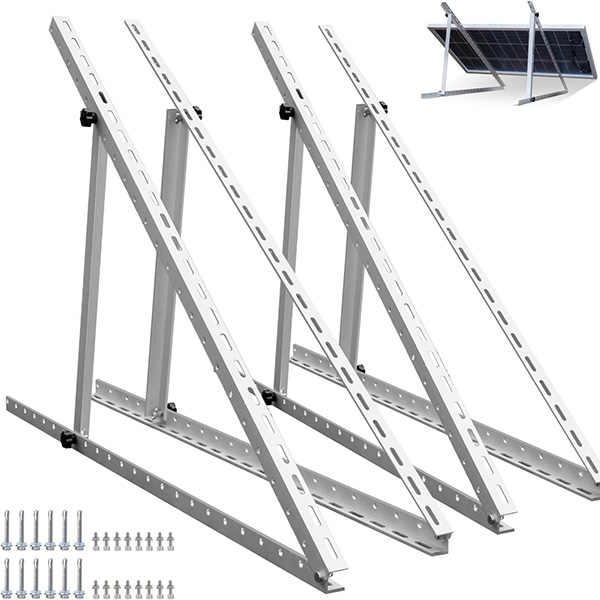
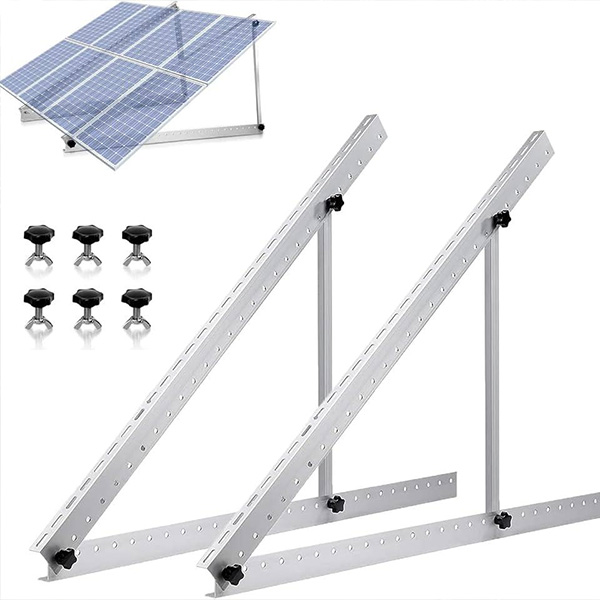
Solar panel mounts (also called PV mounting structures, solar racking or solar support systems) are the structural frameworks that secure photovoltaic modules to roofs, the ground, carports or other surfaces. They must safely transfer wind, snow, dead and seismic loads while ensuring long-term corrosion resistance and compatibility with the modules.
The two dominant structural materials are aluminium extrusions (most common for rooftop systems) and hot-dip galvanized or zinc-aluminium-magnesium coated steel (preferred for large ground-mount arrays). Stainless steel is used selectively for high-corrosion environments or critical fasteners.
Key international standards and references include:
• Material: EN 755 / EN 12020 / EN 573 (aluminium), EN 10025 / ASTM A36 / A572 / Q235 / Q355 (steel), EN ISO 1461 / ASTM A123 / AS/NZS 4680 (hot-dip galvanizing)
• Structural design loads: Eurocode EN 1991-1-4 (wind), ASCE 7 (USA), AS/NZS 1170 (Australia/NZ)
• Product / system: UL 2703 (USA mounting systems), EN 1090 (steel structures), IEC series for related PV components
• Coatings & corrosion: EN ISO 1461, EN 10346 (ZM coatings), AS 1231 / EN ISO 7599 (anodising)
• Fasteners: Stainless steel A2/A4 (304/316) or hot-dip galvanized high-strength bolts
Classification is based primarily on material type (aluminium vs steel), alloy/grade, surface protection, system type (roof, ground, carport, tracker) and design load capacity.
2. Aluminium Alloys for Solar Mounting
Aluminium is preferred for rooftop and many commercial systems because of its light weight (≈1/3 the density of steel), inherent corrosion resistance and ease of extrusion into complex rail and clamp profiles.
2.1 Common Aluminium Alloys & Tempers
Alloy / Temper | Yield (MPa) | Tensile (MPa) | Elongation | Typical Use |
6005 / 6005A-T5 | ≥240–260 | ≥260–300 | ≥8% | Most common structural rails & frames (high strength) |
6063-T5 / T6 | ≥110–180 | ≥160–205 | ≥8% | Rails, clamps, lighter components; excellent extrudability |
6061-T6 | ≥245–275 | ≥265–310 | ≥8% | Higher-strength structural parts, brackets |
6005A-T66 | ≥270 | ≥290 | ≥7% | Enhanced strength version of 6005 |
6005A-T5 is widely regarded as the best balance of strength, extrudability and corrosion resistance for solar structural rails.
2.2 Surface Protection for Aluminium
• Anodising (EN ISO 7599 / AS 1231): typical minimum average film thickness 10–15 µm (inland) to 20–25 µm (coastal / industrial)
• Mill finish acceptable only in mild inland environments
• Powder coating or electrophoretic coating used in some architectural applications
• Self-passivating Al₂O₃ layer provides inherent corrosion resistance even without anodising
3. Steel for Solar Mounting Structures
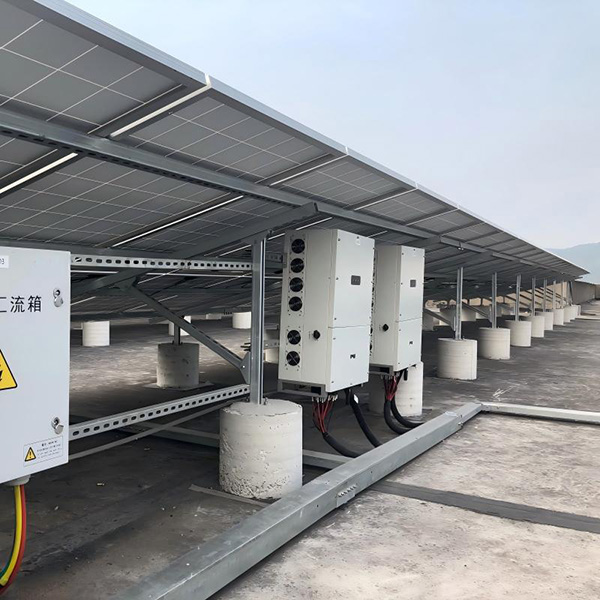
Steel (usually hot-dip galvanized or Zn-Al-Mg coated) is preferred for utility-scale ground-mount systems because of higher strength, lower material cost per unit strength and suitability for long spans and driven piles.
3.1 Common Steel Grades
Grade / Spec | Min Yield (MPa) | Tensile (MPa) | Typical Applications / Notes |
Q235B / S235 / A36 | 235 / 250 | 360–510 / 400–550 | Secondary members, braces, lighter components |
Q355B / S355 / A572 Gr.50 | 345–355 | 470–630 / 450+ | Primary columns, beams, purlins – most common structural grade |
Higher-strength HSLA | 420–550+ | Various | Long-span or heavily loaded ground-mount members |
3.2 Corrosion Protection for Steel
Coating | Typical Mass / Thickness | Standard | Best For |
Hot-dip galvanizing (HDG) | Z275 (≥275 g/m²) or ≥65–85 µm | EN ISO 1461, ASTM A123, AS/NZS 4680 | Inland & moderate environments (C2–C3) |
Zn-Al-Mg (ZM / Magnelis) | ZM275 or higher | EN 10346 | Coastal, industrial, cut-edge protection (C3–C5) |
Pre-galvanized coil + post-galv | Various | EN 10346 + ISO 1461 | Cold-formed sections |
Minimum recommended galvanizing for outdoor solar structures is typically Z275 (≈38 µm per side) or equivalent; higher coating weights or ZM coatings are preferred in aggressive environments.
4. System Types & Typical Materials
System Type | Preferred Material | Notes |
Rooftop (flush / tilted) | Aluminium 6005-T5 / 6063 | Light weight critical; rails, clamps, mid/end clamps |
Ground-mount (fixed tilt) | Galvanized steel Q355 / S355 | Piles, columns, purlins, braces; high strength needed |
Carport / canopy | Steel or aluminium | Depends on span and architectural requirements |
Tracking systems | Steel + aluminium components | Higher dynamic loads; robust foundations |
Floating / special | Aluminium / specialised coatings | Corrosion and buoyancy considerations |
5. Key Structural & Product Standards by Region
Region | Structural / Load | Product / Coating / Other |
Europe | Eurocode EN 1990 / EN 1991-1-4 | EN 1090 (steel), EN 755/12020 (Al), EN ISO 1461, CE DoP |
USA | ASCE 7 (wind/snow/seismic) | UL 2703 (mounting systems), ASTM A36/A572, ASTM A123 |
Australia / NZ | AS/NZS 1170.1 & 1170.2 | AS/NZS 4680 (HDG), AS 1231 (anodising) |
China / Asia | GB 50009 / local codes | GB/T 700 / 1591 (steel), GB/T 6892 / 5237 (Al), GB/T galvanizing |
International | IEC / local wind codes | IEC 61215/61730 (modules), related PV component standards |
6. Aluminium vs Steel – Key Comparison
Property | Aluminium (6005A-T5) | Steel (Q355 / S355 HDG) |
Density | ≈ 2.70 g/cm³ | ≈ 7.85 g/cm³ |
Typical yield strength | ≈ 260 MPa | ≈ 355 MPa |
Weight advantage | ~1/3 the weight of steel equivalent | Baseline (heavier) |
Corrosion resistance | Inherent + anodising | Requires HDG or ZM coating |
Best application | Rooftop, commercial, light structures | Utility-scale ground-mount, long spans |
Relative cost (material) | Higher per kg, lower installed weight | Lower per unit strength for large projects |
7. Typical Applications
• Residential and commercial rooftop PV systems (aluminium rails and clamps)
• Utility-scale ground-mounted solar farms (galvanized steel structures)
• Carports, canopies and solar parking structures
• Agrivoltaic and floating solar installations
• Building-integrated and building-attached PV (BIPV / BAPV)
• Single-axis and dual-axis tracking systems
8. Important Notes
• Structural design must comply with the local wind, snow and seismic load code (ASCE 7, Eurocode, AS/NZS 1170, etc.). Supplier structural calculations are normally required.
• Material certificates (mill certificates for alloy/grade and coating thickness reports) should be obtained for every project.
• Aluminium anodising thickness and steel galvanizing mass must match the environmental corrosion category (C2–C5).
• Fasteners are typically stainless steel A2 (304) or A4 (316) for aluminium systems, or hot-dip galvanized high-strength bolts for steel systems; bi-metallic corrosion must be avoided.
• Module clamps and rails must be compatible with the module frame dimensions and grounding requirements (e.g. UL 2703).
• Service life target for quality systems is typically 25 years or more, matching the PV module warranty period.
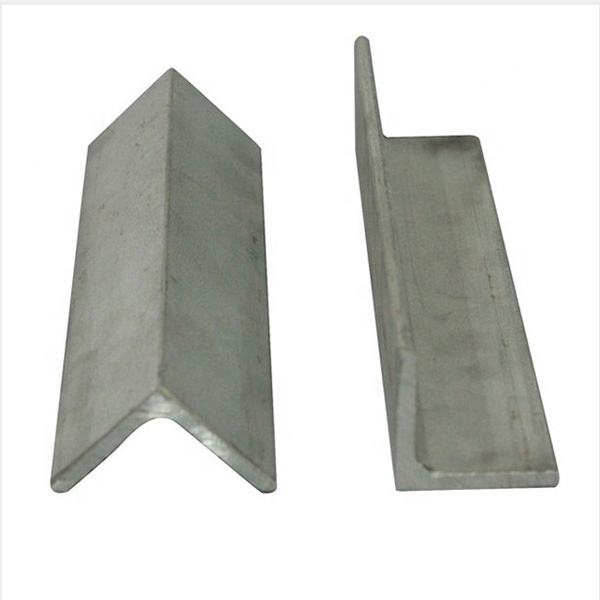
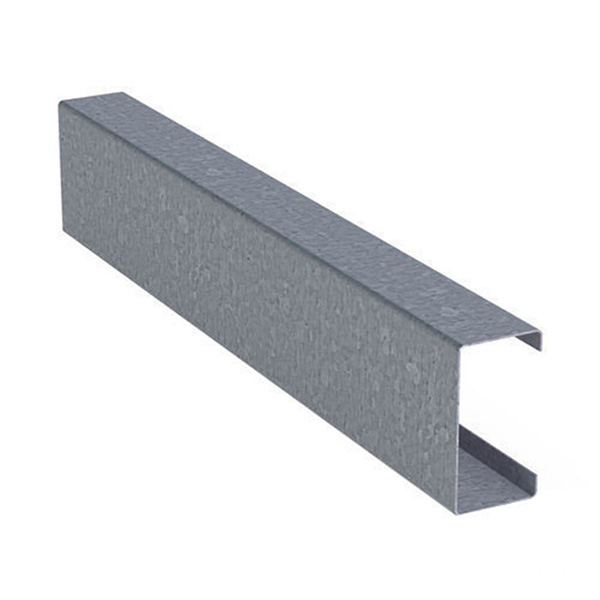
• Cold-formed steel sections (C, Z, lip channels, SHS/RHS) are commonly used in steel ground-mount systems; refer also to the earlier C-purlin and Z-purlin documents for related grades.
• Always verify that the mounting system has been engineered for the specific site wind speed, terrain category, snow load and roof type.