1. Introduction
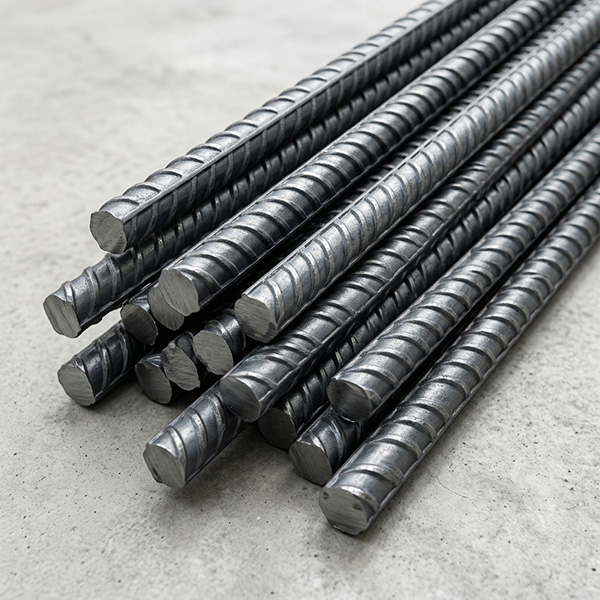
Deformed steel reinforcing bars (rebar) are hot-rolled steel bars with surface deformations (ribs or indentations) that improve bond with concrete. They are the primary tensile reinforcement in reinforced and prestressed concrete structures.
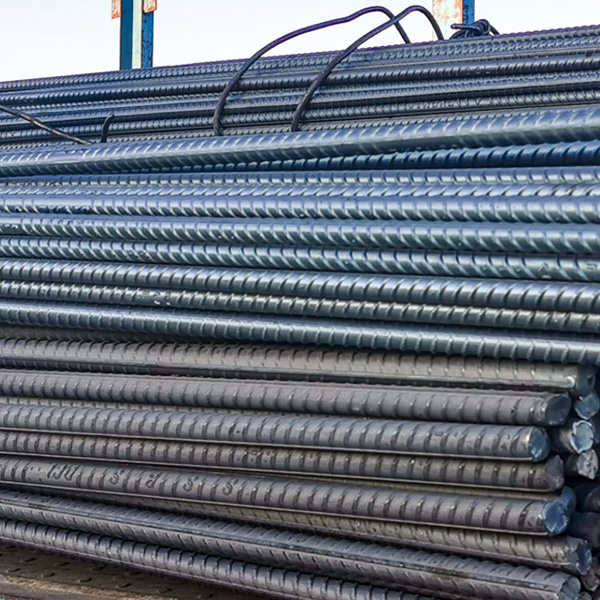
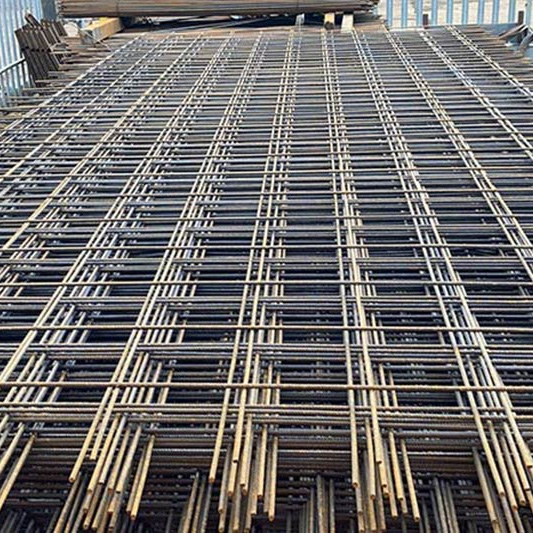
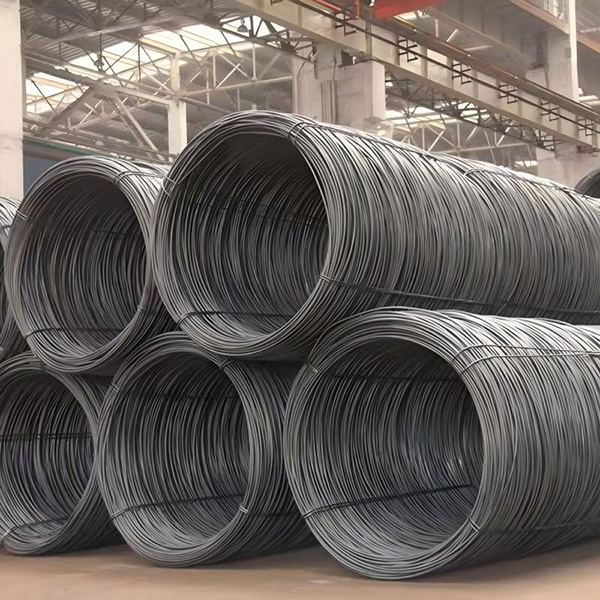
Typical diameters range from 6 mm to 50 mm (and larger in some markets). Bars are supplied in straight lengths (commonly 6–18 m) or as coils for smaller diameters. The surface pattern (rib geometry) is standardised to ensure adequate bond strength.
Key international standards include:
• EN 10080 – Steel for the reinforcement of concrete – Weldable reinforcing steel (Europe)
• BS 4449 – Steel for the reinforcement of concrete – Weldable reinforcing steel (UK, aligned with EN 10080)
• ASTM A615/A615M – Deformed and plain carbon-steel bars for concrete reinforcement (USA)
• ASTM A706/A706M – Deformed and plain low-alloy steel bars for concrete reinforcement (USA – weldable / seismic)
• GB/T 1499.2 – Steel for the reinforcement of concrete – Part 2: Hot-rolled ribbed bars (China)
• JIS G 3112 – Steel bars for concrete reinforcement (Japan)
• AS/NZS 4671 – Steel reinforcing materials (Australia / New Zealand)
Classification is based primarily on characteristic yield strength, ductility class, weldability, and surface geometry (deformed vs plain).
2. European Standards (EN 10080 / BS 4449)
EN 10080 defines the general requirements; national standards (e.g. BS 4449 in the UK) specify the particular grades used in each country. The most common modern grades are B500A, B500B and B500C.
2.1 Common Reinforcing Steel Grades
Grade | Yield (MPa) | Tensile / Yield ratio | Elongation / Agt | Ductility Class / Typical Use |
B500A | 500 | ≥1.05 | Agt ≥2.5% | Class A – lower ductility; mesh, light reinforcement |
B500B | 500 | ≥1.08 | Agt ≥5.0% | Class B – standard ductility; most common general use |
B500C | 500 | ≥1.15 (≤1.35) | Agt ≥7.5% | Class C – high ductility; seismic / high-demand regions |
B450C / B450B | 450 | Similar ratios | High Agt | Lower-strength alternative still used in some markets |
Agt = total elongation at maximum force (uniform elongation). Higher Agt and tensile-to-yield ratio indicate greater ductility.
2.2 Key Requirements
• Weldability – controlled carbon equivalent (CEV) for arc welding
• Fatigue – requirements for bars subject to cyclic loading
• Bond – rib geometry must satisfy bond performance criteria
• Bendability – bars must withstand specified bend tests without cracking
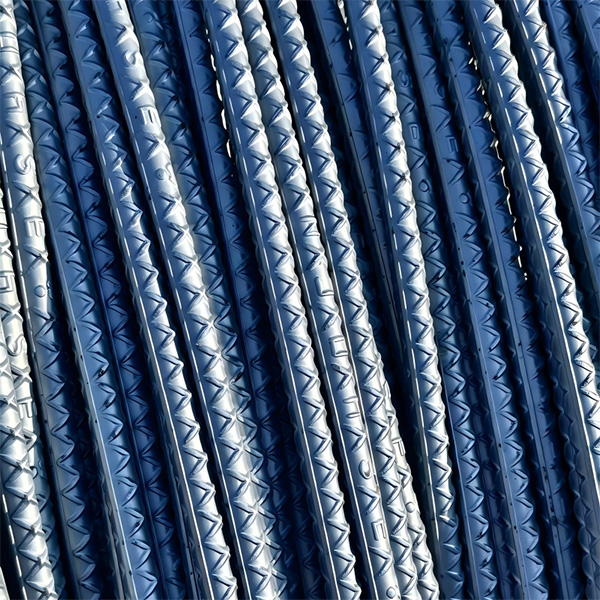
• Identification – rolled-on markings indicate grade, manufacturer and ductility class
3. United States Standards (ASTM)
ASTM A615 covers carbon-steel bars; ASTM A706 covers low-alloy bars with improved weldability and controlled tensile properties (preferred for seismic design).
3.1 Common Grades
Grade / Spec | Min Yield (MPa / ksi) | Tensile (MPa / ksi) | Typical Applications / Notes |
ASTM A615 Grade 40 | 280 / 40 | 420 / 60 | Older / lighter applications |
ASTM A615 Grade 60 | 420 / 60 | 620 / 90 | Most common general-purpose grade in the USA |
ASTM A615 Grade 75 / 80 | 520 / 75 | 550 / 80 | 690 / 100 | 725 / 105 | High-strength applications |
ASTM A706 Grade 60 | 420 / 60 | 550 / 80 min | Low-alloy, weldable, controlled ductility – preferred for seismic |
ASTM A706 Grade 80 | 550 / 80 | 690 / 100 min | Higher-strength low-alloy seismic grade |
A706 bars have tighter limits on yield strength range and tensile-to-yield ratio, plus better weldability, making them the preferred choice for seismic-resistant structures.
4. Chinese, Japanese & Other Standards
China (GB/T 1499.2):
• HRB400 / HRB400E – Yield ≥400 MPa (E = seismic / high ductility)
• HRB500 / HRB500E – Yield ≥500 MPa
• HRBF series – fine-grain versions
• CRB series – cold-rolled ribbed bars
Japan (JIS G 3112):
• SD295A / SD295B – Yield ≥295 MPa
• SD345 – Yield ≥345 MPa
• SD390 – Yield ≥390 MPa
• SD490 – Yield ≥490 MPa
Australia / New Zealand (AS/NZS 4671):
• 500L, 500N, 500E – 500 MPa grades with different ductility classes (L = low, N = normal, E = earthquake)
5. Approximate Cross-Standard Grade Equivalences
The following table provides commonly accepted approximate equivalences. Exact requirements (especially ductility, weldability and chemical limits) must be verified against the ordered specification.
EN / BS | ASTM | China / JIS | Notes |
B500A | A615 Gr.60 (lower duct.) | HRB400 / SD390 | Lower ductility class |
B500B | A615 Gr.60 | HRB400 / HRB500 | Standard general-purpose |
B500C | A706 Gr.60 | HRB400E / HRB500E | High ductility / seismic |
B450C | A615 Gr.40 / Gr.60 | HRB400 | Lower yield alternative |
6. High-Strength, Seismic & Special Grades
Seismic / high-ductility:
• B500C (EN), A706 (ASTM), HRB400E / HRB500E (China), 500E (AS/NZS) – controlled yield range, high uniform elongation, good energy dissipation
High-strength:
• Grades 75 / 80 (ASTM), B600 / higher (some markets), SD490 (JIS) – reduced steel quantity but require careful detailing and bond checks
Epoxy-coated / galvanized / stainless:
• ASTM A775 (epoxy-coated), A767 (galvanized), A955 (stainless) – corrosion-resistant options for aggressive environments
• Stainless grades (e.g. 304, 316, duplex) for marine, chemical or long-life structures
7. Typical Applications
• Reinforced concrete buildings – beams, columns, slabs, walls, foundations
• Bridges and infrastructure – decks, piers, abutments, retaining walls
• Industrial and heavy civil structures
• Precast concrete elements
• Seismic-resistant frames and shear walls (high-ductility grades)
• Marine and coastal structures (corrosion-resistant or stainless rebar)
8. Important Notes
• Characteristic yield strength (fyk or fy) is the primary design parameter; actual yield must not exceed upper limits for seismic grades.
• Ductility class (A/B/C or L/N/E) is critical for seismic design and for members requiring plastic rotation capacity.
• Weldability is not automatic – only grades with controlled CEV (and preferably A706 / B500 with weldable designation) should be arc-welded without special procedures.
• Bond performance depends on rib geometry, concrete strength and cover; design codes specify development and lap lengths.
• Bar marking systems (rolled-on dots, letters, numbers) identify grade, ductility and mill of origin – always verify markings against certificates.
• Corrosion protection (epoxy, galvanizing, stainless, or increased cover + low-permeability concrete) is essential in aggressive environments.
• Cutting, bending and welding must follow the requirements of the relevant design code and the manufacturer’s recommendations.