1. Introduction
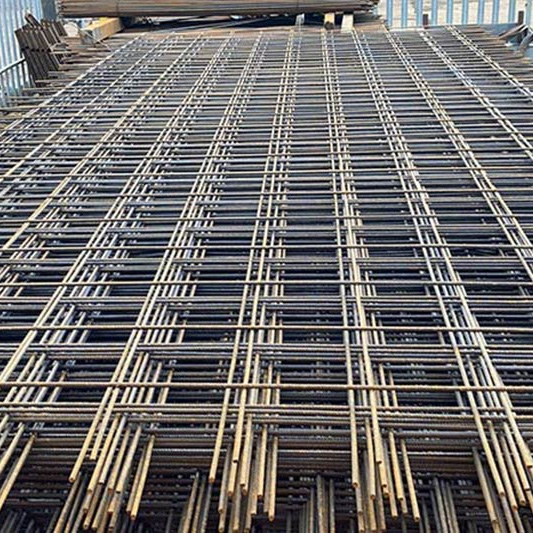
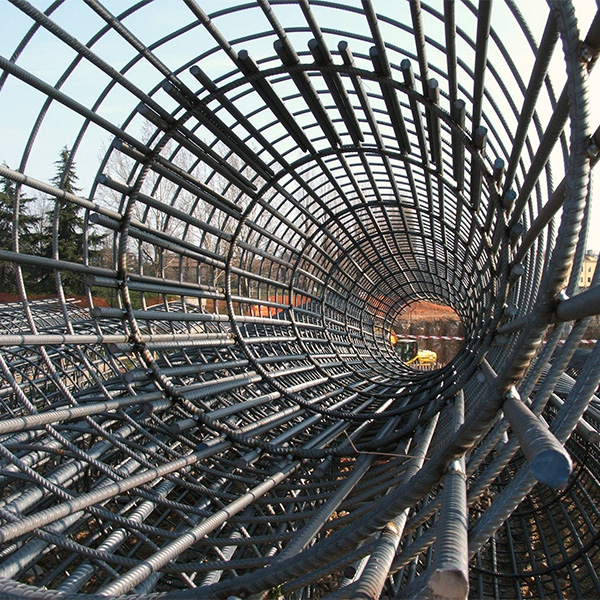
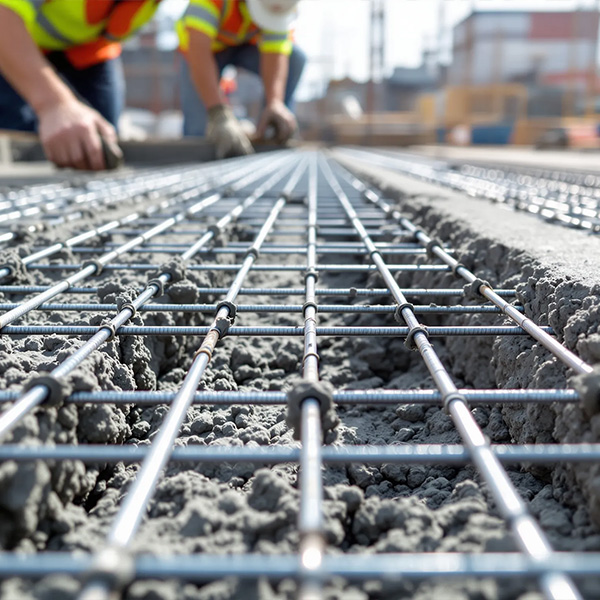
Steel mesh (also called welded wire mesh, welded fabric, reinforcing mesh or welded wire reinforcement – WWR) consists of longitudinal and transverse steel wires or bars that are electrically resistance-welded at their intersections to form a rigid grid. It is used as reinforcement in concrete slabs, walls, pavements, precast elements and other structural members.
Meshes are supplied as flat sheets or rolls. Wire diameters typically range from 3 mm to 12 mm (occasionally higher); bar diameters for heavy meshes can reach 16 mm or more. Standard sheet sizes vary by market (e.g. 2.4 m × 4.8 m, 2.0 m × 6.0 m, or project-specific).
Key international standards include:
• EN 10080 – Steel for the reinforcement of concrete (material requirements for the wires/bars)
• BS 4483 – Steel fabric for the reinforcement of concrete (UK mesh standard)
• ASTM A1064/A1064M – Steel wire and welded wire reinforcement, plain and deformed, for concrete
• AS/NZS 4671 – Steel reinforcing materials (Australia / New Zealand)
• GB/T 1499.3 – Steel for the reinforcement of concrete – Welded fabric (China)
• ISO 6935 / related ISO standards for reinforcing steel
Classification is based on the steel grade (yield strength and ductility), wire/bar diameter, mesh spacing (pitch), and whether the wires are plain or deformed.
2. European Standards (EN 10080 / BS 4483)
In Europe the steel for the wires or bars is covered by EN 10080. The finished welded fabric is specified in national standards such as BS 4483 (UK). Common designations use the steel grade followed by the mesh reference.
2.1 Common Steel Grades for Mesh
Grade | Yield (MPa) | Tensile / Yield | Agt / Ductility | Typical Use |
B500A | 500 | ≥1.05 | Agt ≥2.5% (Class A) | Most common for welded mesh (lower ductility acceptable) |
B500B | 500 | ≥1.08 | Agt ≥5.0% (Class B) | Higher ductility mesh where required |
B500C | 500 | ≥1.15 | Agt ≥7.5% (Class C) | High-ductility applications (less common for mesh) |
B450A / B450B | 450 | Similar | Class A / B | Lower-strength alternative still used in some markets |
B500A is the most widely used grade for standard welded fabric because the lower ductility class is generally acceptable for slabs and lightly loaded members.
2.2 Typical Mesh Designations (BS 4483 style)
Meshes are commonly designated by a reference that indicates the wire size and spacing, for example:
• A142, A193, A252, A393 – standard square or rectangular meshes (A = fabric type)
• B785, B1131 – heavier structural meshes
• Longitudinal and transverse wire diameters and pitches are defined for each reference
Example: A393 mesh typically uses 10 mm wires at 200 mm centres in both directions (exact values depend on the standard edition).
3. United States Standards (ASTM A1064)
ASTM A1064 covers both plain and deformed steel wire and the welded wire reinforcement made from them. Older specifications A185 (plain) and A497 (deformed) have been consolidated into A1064.
3.1 Common Grades & Properties
Type / Grade | Min Yield (MPa / ksi) | Min Tensile (MPa / ksi) | Notes |
Plain wire (A1064) | 450 / 65 (typical) | 515 / 75 (typical) | Common for light welded wire reinforcement |
Deformed wire (A1064) | 450–550 / 65–80 | Higher | Improved bond; used in structural WWR |
Higher-strength WWR | 550+ / 80+ | Various | Available for specific structural applications |
Welded wire reinforcement is designated by a style number that indicates the spacing and wire sizes in both directions (e.g. 6×6 – W2.9×W2.9).
4. Australian, Chinese & Other Standards
Australia / New Zealand (AS/NZS 4671):
• 500L, 500N – 500 MPa grades with low or normal ductility (L is common for mesh)
• Mesh designated by reference (e.g. SL82, SL92, RL918) indicating wire size and spacing
China (GB/T 1499.3):
• CRB550, CRB600 and related grades for welded fabric
• Also uses hot-rolled ribbed bars (HRB400 / HRB500) welded into mesh
Other:
• Many markets accept EN 10080 / BS 4483 or ASTM A1064 based meshes with local design code adjustments
5. Approximate Cross-Standard Grade Equivalences
The steel used for the wires or bars in welded mesh follows the same grade families as reinforcing bars. Approximate equivalences:
EN / BS | ASTM (approx.) | AS/NZS / China | Notes |
B500A | A1064 (plain/deformed ~65–80 ksi) | 500L / CRB550–600 | Most common for mesh |
B500B | Higher-ductility WWR | 500N / HRB400–500 | Where higher ductility required |
B450A/B | Lower-strength WWR | Lower-strength fabric | Older or light applications |
6. Common Mesh Types & Configurations
• Square mesh – equal spacing and wire size in both directions (most common for slabs)
• Rectangular mesh – different spacing or wire sizes in longitudinal and transverse directions
• Structural mesh – heavier wires / closer spacing for higher loads
• Flying-end / overhang meshes – designed for continuity at joints
• Custom / project-specific meshes – non-standard pitches and wire combinations
• Roll mesh vs sheet mesh – rolls for long continuous pours; sheets for standard bay sizes
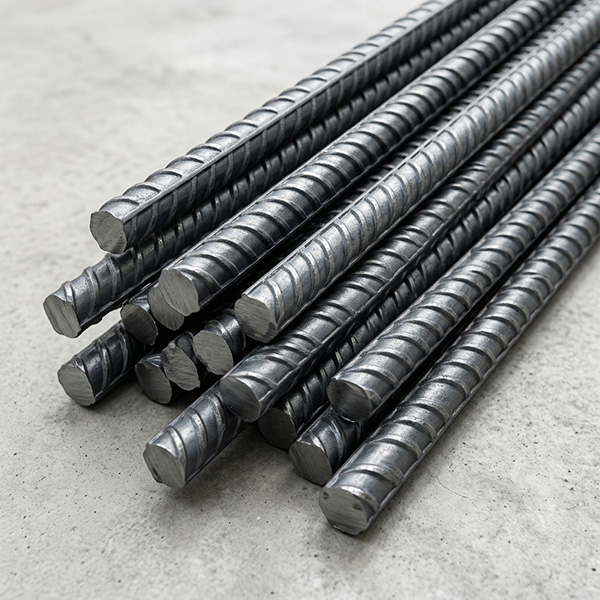
Wires may be plain (smooth) or deformed (ribbed/indented). Deformed wires provide better bond.
7. Typical Applications
• Ground-bearing and suspended concrete slabs (floors, roofs)
• Pavements, roads and industrial flooring
• Walls, precast panels and tilt-up construction
• Shotcrete and sprayed concrete reinforcement
• Lightly loaded structural members where mesh is more economical than loose bars
• Temperature and shrinkage reinforcement
• Composite slabs with metal decking
8. Important Notes
• Weld strength at intersections is critical; standards specify minimum shear strength of the welds.
• Ductility class for mesh is often Class A (B500A / 500L) because the continuous welded grid provides redistribution; higher ductility classes are used when required by design.
• Overlaps / laps of mesh sheets must follow the design code rules (usually a minimum number of cross wires or a calculated lap length).
• Cover, support (chairs/spacers) and fixing of mesh are essential for correct performance and durability.
• Mesh is not a direct substitute for designed bar reinforcement in heavily loaded beams, columns or seismic members without specific engineering justification.
• Corrosion protection (galvanizing, epoxy coating, stainless wire) is available for aggressive environments.
• Design of reinforced concrete using mesh is governed by the relevant structural code (Eurocode 2, ACI 318, AS 3600, etc.) in addition to the material standards listed above.