1. Introduction
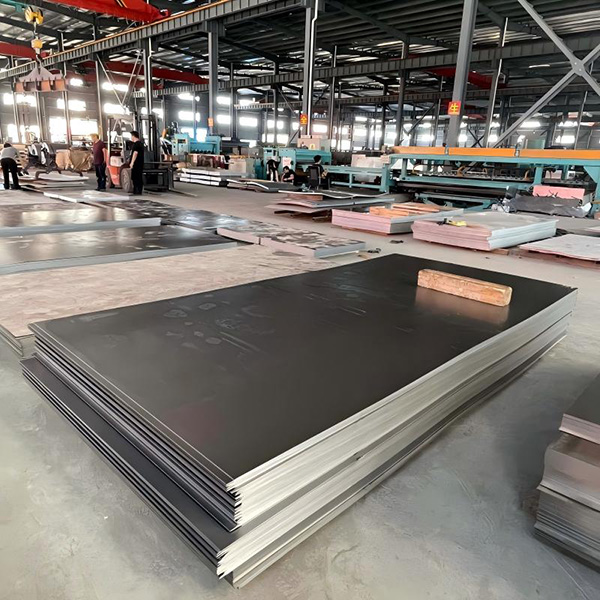
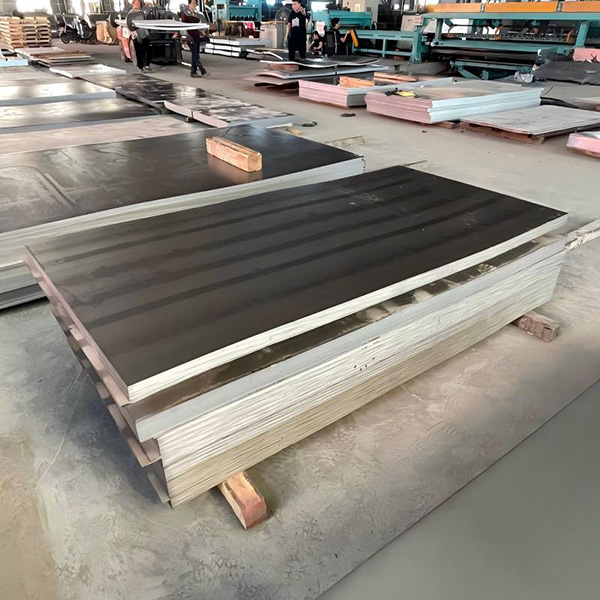
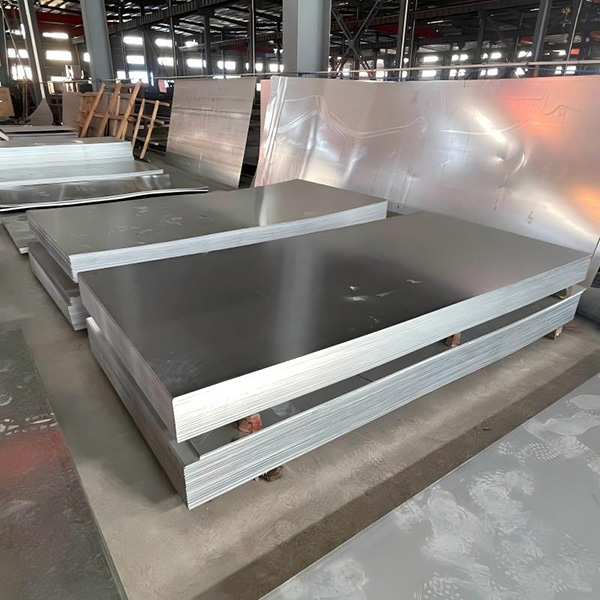
Cold-rolled steel sheets (also called cold-reduced or CR sheets) are produced by further cold rolling of hot-rolled pickled coils, followed by annealing (and usually temper rolling / skin-passing). They offer superior surface finish, tighter dimensional tolerances, higher strength and excellent formability compared with hot-rolled products. Typical thickness range is 0.3–3.0 mm.
Key international standards include:
• EN 10130 – Cold-rolled low-carbon steel flat products for cold forming (Europe / DSTU EN 10130)
• ASTM A1008/A1008M – Steel sheet, cold-rolled, carbon, structural, high-strength low-alloy, etc. (US)
• JIS G 3141 – Cold-reduced carbon steel sheet and strip (Japan)
• GOST 16523, GOST 9045, DSTU 2834 and related CIS / Ukrainian standards
Classification is primarily by formability (commercial → drawing → deep drawing → extra-deep drawing), surface quality, and mechanical property guarantees (yield, tensile, elongation, r-value, n-value).
2. European Standards (EN 10130)
EN 10130 covers cold-rolled uncoated low-carbon steel flat products of thickness ≥0.35 mm and width ≥600 mm intended for cold forming. Grades increase in formability from DC01 to DC07. Dimensional tolerances are given in EN 10131.
2.1 Steel Grades & Mechanical Properties (EN 10130)
Grade | Yield Re (MPa max) | Tensile Rm (MPa) | A80 min % | r90 / n90 min | Typical Formability |
DC01 | ≤280 | 270–410 | ≥28 | — | Commercial / simple forming |
DC03 | ≤240 | 270–370 | ≥34 | r90 ≥1.3 | Drawing quality |
DC04 | ≤210 | 270–350 | ≥38 | r ≥1.6 / n ≥0.18 | Deep drawing |
DC05 | ≤180 | 270–330 | ≥40 | r ≥1.9 / n ≥0.20 | Extra-deep drawing |
DC06 | ≤170 | 270–330 | ≥41 | r ≥2.1 / n ≥0.22 | Extra-deep / IF steel |
DC07 | ≤150 | 250–310 | ≥44 | r ≥2.5 / n ≥0.23 | Super-deep drawing |
Surface quality: A (as-rolled) or B (improved / skin-passed). Absence of stretcher strains is guaranteed for a limited period on surface quality B for most grades.
Chemical composition (ladle, max %): C decreases from 0.12 (DC01) to 0.01 (DC07); Mn, P and S are progressively tighter for higher formability grades.
3. United States Standards (ASTM A1008/A1008M)
ASTM A1008 covers cold-rolled carbon, structural, high-strength low-alloy, solution-hardened and bake-hardenable steel sheet in coils and cut lengths.
3.1 Common Forming Grades
Grade | Approx. EN Equivalent | Typical Properties | Notes / Use |
CS Type A / B / C | DC01 | Rm ≈270–410 MPa | Commercial steel; general forming |
DS Type A / B | DC03 | Better elongation | Drawing steel |
DDS | DC04 | High formability | Deep drawing steel |
EDDS | DC05 / DC06 | Highest formability | Extra-deep drawing (often IF) |
Additional categories include bake-hardenable (BHS), high-strength low-alloy (HSLAS), solution-hardened (SHS) and dual-phase steels.
4. Japanese Standards (JIS G 3141)
JIS G 3141 is the primary Japanese standard for cold-reduced carbon steel sheet and strip.
Grade | Approx. EN Equivalent | Formability Level | TypicalApplications |
SPCC | DC01 | Commercial quality | General bending, simple forming, cabinets |
SPCD | DC03 | Drawing quality | Automotive panels, medium draws |
SPCE | DC04 | Deep drawing | Complex drawn parts, fenders |
SPCF | DC05 | Extra-deep drawing | High-precision deep draws |
SPCG | DC06 | Super-deep / IF | Most severe forming requirements |
5. CIS / Ukrainian Standards
Common standards include GOST 16523 / DSTU 2834 (general-purpose thin sheet), GOST 9045 (low-carbon for cold stamping) and related specifications. Grades such as 08ps, 08kp, 08Yu are widely used for stamping and forming.
• GOST 16523 – Carbon steel of ordinary and higher quality for general purposes
• GOST 9045 – Cold-rolled thin sheets of low-carbon steel for cold forming (08Yu, etc.)
• Surface finish groups and hardness classes are specified; thickness typically up to ~3.9 mm
6. Approximate Cross-Standard Grade Equivalences
The following table provides commonly accepted approximate equivalences for commercial cold-rolled forming grades. Exact mechanical bands, surface quality and aging behaviour should always be verified against the ordered standard.
EN 10130 | ASTM A1008 | JIS G 3141 | ISO 3574 | China / Other |
DC01 | CS Type B | SPCC | CR1 | DC01 / SPCC |
DC03 | DS Type B | SPCD | CR2 | DC03 |
DC04 | DDS | SPCE | CR3 | DC04 |
DC05 | EDDS | SPCF | CR4 | DC05 |
DC06 | EDDS (IF) | SPCG | CR5 | DC06 |
7. High-Strength & Special Cold-Rolled Grades
In addition to mild forming grades, cold-rolled products include:
• High-strength low-alloy (HSLA / LA grades) – e.g. HC260LA–HC420LA (EN 10268)
• Bake-hardenable steels (BH) – strength increases after paint baking
• Interstitial-free (IF) steels – ultra-low carbon for maximum formability (DC06/DC07, EDDS)
• Dual-phase and multiphase steels for automotive structural parts
• Enamelling grades (EN 10209 – DC01EK, etc.)
8. Typical Applications
• Automotive: body panels (inner & outer), reinforcements, structural parts
• Appliances / white goods: washing-machine cabinets, refrigerators, ovens
• Furniture, shelving, office equipment, electrical enclosures
• Construction: light-gauge profiles, door frames, cladding substrates
• General fabrication, packaging, drums and containers
9. Important Notes
• Surface quality (A or B) and absence of stretcher strains (aging) are critical for visible or painted parts; process within the guaranteed period.
• r-value (plastic strain ratio) and n-value (strain-hardening exponent) control deep-drawing performance and are specified for higher grades.
• Dimensional tolerances (thickness, width, flatness) follow EN 10131 or the equivalent national standard.
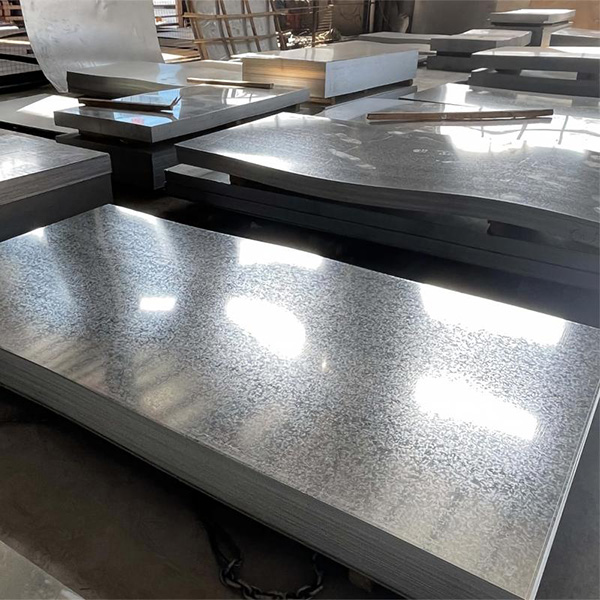
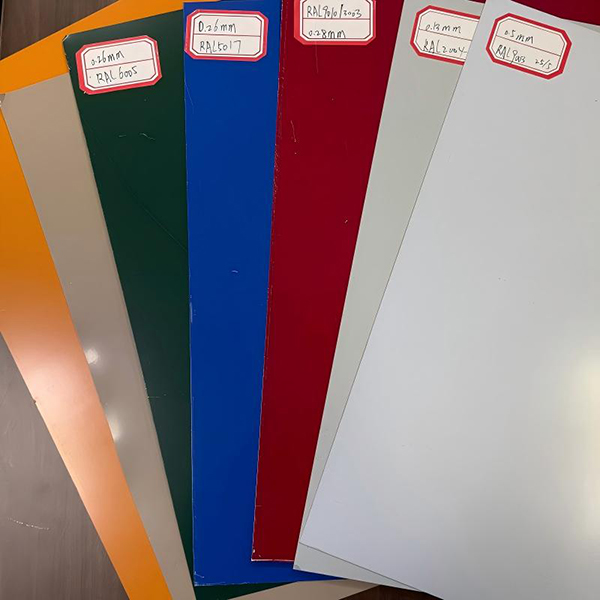
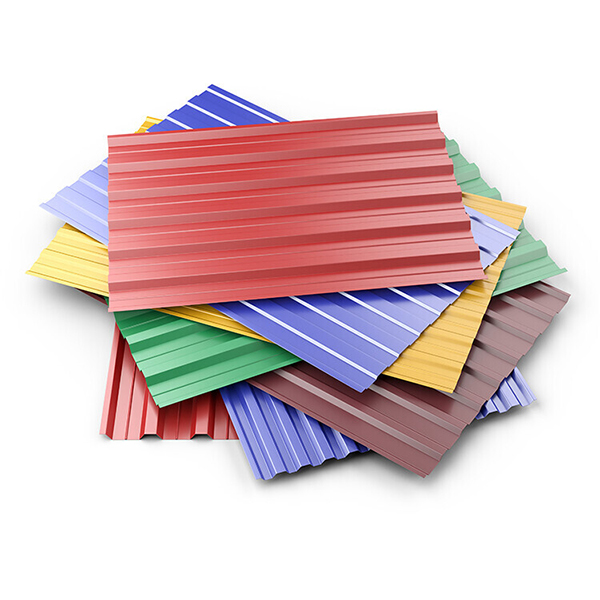
• Cold-rolled sheets are frequently used as substrate for subsequent metallic coating (galvanizing, electro-galvanizing) or organic coating (pre-painted).
• AOIN and similar producers supply cold-rolled sheets typically in thicknesses 0.4–2.5 mm and widths up to ~1,500 mm in grades DC01–DC06 and equivalents, in annealed and skin-passed condition.