1. Introduction
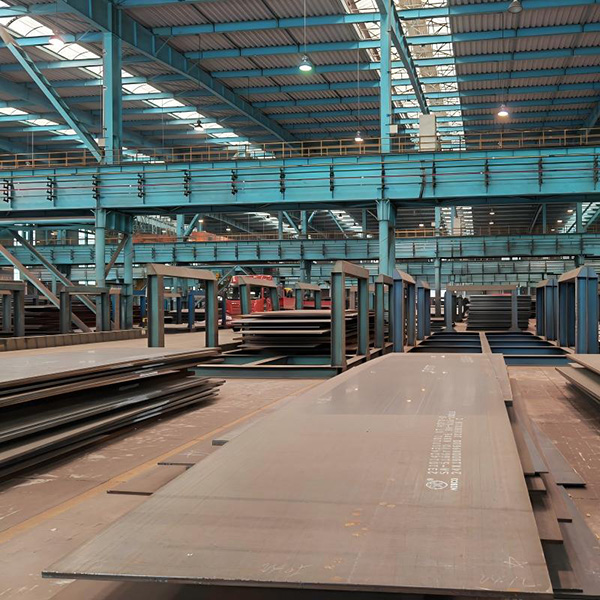
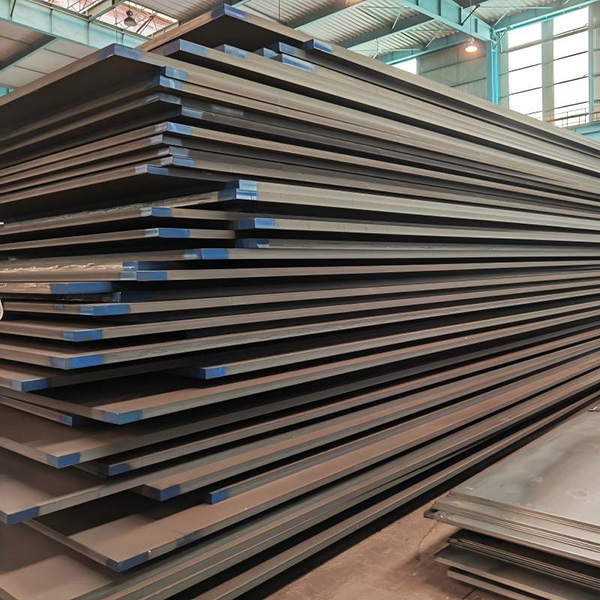
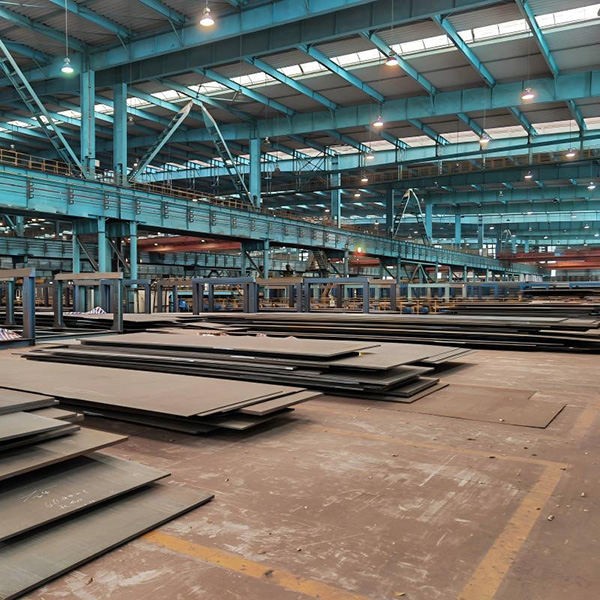
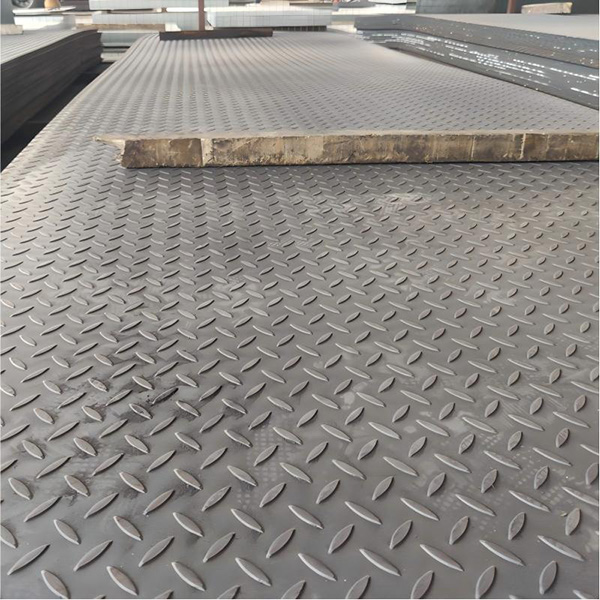
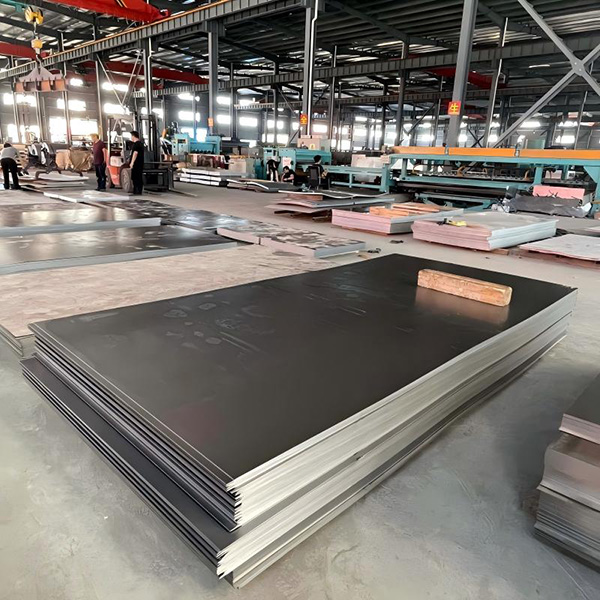
Hot-rolled steel plates (also called quarto plates or heavy plates) are flat products produced by hot rolling slabs on reversing or continuous plate mills. Thickness typically starts from about 3–6 mm and can reach 150–250 mm or more. They are widely used in construction, bridges, shipbuilding, pressure vessels, heavy machinery and pipelines.
Key international standards include:
• EN 10025 (Parts 1–6) – Hot-rolled products of structural steels (Europe / DSTU EN 10025 Ukraine)
• ASTM A36, A572, A516, A283, A514, A709, etc. (United States)
• GOST 14637, GOST 19281, GOST 27772, GOST 5520, etc. (CIS / Russia)
• JIS G 3101, JIS G 3106 (Japan) and national equivalents (GB/T, IS, etc.)
Classification is based primarily on yield strength, impact toughness (Charpy), delivery condition (as-rolled, normalised, thermomechanically rolled, quenched & tempered), and intended application (structural, pressure vessel, shipbuilding, high-strength, weathering).
2. European Standards (EN 10025)
EN 10025 is the primary European standard for hot-rolled structural steels. Grades are designated by minimum yield strength (MPa) at thickness ≤16 mm, followed by a quality designation indicating impact toughness and delivery condition.
2.1 Common Structural Grades (EN 10025-2 Non-alloy)
Grade | Yield ≤16 mm (MPa) | Tensile ≤16 mm (MPa) | Typical Elongation | Typical Use |
S235JR/J0/J2 | 235 | 360–510 | ≥24–26% | General construction, light frames |
S275JR/J0/J2 | 275 | 410–560 | ≥21–23% | Buildings, bridges, frames |
S355JR/J0/J2/K2 | 355 | 470–630 | ≥20–22% | High-rise, heavy bridges, offshore |
S420 | 420 | 520–680 | — | Plate girders, heavy columns |
S460 | 460 | 540–720 | — | Offshore, long-span, cranes |
Quality designations (impact toughness):
• JR – Charpy V-notch ≥27 J at +20 °C
• J0 – ≥27 J at 0 °C
• J2 – ≥27 J at −20 °C
• K2 – ≥40 J at −20 °C (higher toughness)
2.2 Yield Strength vs Thickness (EN 10025)
Minimum yield strength decreases with increasing thickness:
Thickness band | S235 | S275 | S355 | S420 | S460 |
≤16 mm | 235 | 275 | 355 | 420 | 460 |
>16–40 mm | 225 | 265 | 345 | 400 | 440 |
>40–63 mm | 215 | 255 | 335 | 390 | 430 |
>63–80 mm | 215 | 245 | 325 | 370 | 410 |
>80–100 mm | 215 | 235 | 315 | 360 | 400 |
2.3 Other EN 10025 Parts
• EN 10025-3: Normalised / normalised-rolled fine-grain steels (S275N/NL, S355N/NL, S420N/NL, S460N/NL)
• EN 10025-4: Thermomechanically rolled fine-grain steels (S275M/ML, S355M/ML, S420M/ML, S460M/ML)
• EN 10025-5: Steels with improved atmospheric corrosion resistance (weathering steels, e.g. S355J0W, S355J2W)
• EN 10025-6: Quenched and tempered high-strength steels (S460Q/QL/QL1 to S960Q/QL)
3. United States Standards (ASTM)
ASTM specifications cover a wide range of carbon, high-strength low-alloy (HSLA) and pressure-vessel quality plates.
3.1 Common Structural & HSLA Grades
Grade / Spec | Min Yield (MPa) | Tensile (MPa) | Typical Applications / Notes |
ASTM A36 | 250 (36 ksi) | 400–550 | General structural, buildings, bridges; most common carbon plate |
ASTM A572 Gr.42 | 290 | 415 min | HSLA structural |
ASTM A572 Gr.50 | 345 (50 ksi) | 450 min | High-strength structural; ≈ S355 |
ASTM A572 Gr.55/60/65 | 380–450 | 485–550 min | Higher-strength HSLA applications |
ASTM A283 Gr.C/D | 205–230 | 380–515 | Low & intermediate tensile strength carbon plates |
ASTM A709 | Various | Various | Bridge steels (includes weathering grades) |
3.2 Pressure Vessel Grades (ASTM A516)
Grade | Min Yield (MPa) | Tensile (MPa) | Typical Use |
A516 Gr.55 | 205 | 380–515 | Moderate/lower temperature PV |
A516 Gr.60 | 220 | 415–550 | Common boiler / pressure vessel |
A516 Gr.65 | 240 | 450–585 | Higher strength PV |
A516 Gr.70 | 260 | 485–620 | Most widely used PV grade |
High-strength quenched & tempered grades include ASTM A514 and A517 (yield typically 620–690 MPa).
4. CIS / Russian Standards
Common GOST / DSTU specifications for hot-rolled plates include GOST 14637 (carbon structural), GOST 19281 (high-strength low-alloy), GOST 27772 (structural for building), GOST 5520 (boiler/pressure vessel) and others.
• St3ps / St3sp – Ordinary carbon structural (≈ S235 / A36)
• 09G2S, 10HSND, 15HSND – Low-alloy structural / bridge steels
• Q235 / Q345 equivalents under Chinese GB/T also widely referenced
• Delivery conditions: hot-rolled, normalised, thermomechanically rolled, quenched & tempered
5. Approximate Cross-Standard Grade Equivalences
The following table provides commonly accepted approximate equivalences for commercial structural grades. Exact chemical and mechanical requirements (especially impact toughness and thickness ranges) should always be verified against the specific standard edition.
EN 10025 | ASTM | JIS (approx.) | China / Other |
S235JR | A36 / A283 Gr.D | SS400 / SM400 | Q235B |
S275JR | A36 (higher) / A572 Gr.42 | SS490 | Q275 |
S355JR / J2 | A572 Gr.50 | SM490A/B | Q345B / Q355 |
S420 / S460 | A572 Gr.60/65 | SM520 / SM570 | Q420 / Q460 |
S355J2W (weathering) | A588 / A709 Gr.50W | SPA-H | Q355NH |
P355GH (EN 10028) | A516 Gr.70 | SB410 / SB450 | Q345R |
6. High-Strength & Special Grades
Quenched & tempered (EN 10025-6 / ASTM A514):
• S460Q/QL to S960Q/QL – Yield 460–960 MPa
• ASTM A514 / A517 – Typical yield 620–690 MPa
Thermomechanically rolled for cold forming (EN 10149-2):
• S315MC, S355MC, S420MC, S460MC, S500MC … up to S960MC
7. Typical Applications
• Construction & bridges: beams, columns, plate girders, light-gauge framing (S235–S355)
• Shipbuilding & offshore: hull plates, platforms (AH/DH/EH grades, S355–S460)
• Pressure vessels & boilers: A516 Gr.60/70, P265GH–P355GH, 16Mo3
• Heavy machinery & mining: high-strength Q&T plates (S690–S960, A514)
• Pipelines & linepipe: API 5L X42–X120 equivalents
8. Important Notes
• Yield strength decreases with increasing plate thickness; always use the value corresponding to the ordered thickness.
• Impact toughness (Charpy) requirements and test temperature are critical for low-temperature or structural safety applications.
• Delivery condition (as-rolled, normalised +N, thermomechanically rolled +M, quenched & tempered +Q) significantly affects properties and weldability.
• Carbon equivalent (CEV) limits control weldability; higher-strength grades generally require preheat or special welding procedures.
• AOIN supply a wide range of thicknesses (typically 6–200 mm), widths up to 3,200–4,800 mm and lengths up to 12–25 m in grades from S235 to S960 and ASTM equivalents, in hot-rolled, normalised, TM and Q&T conditions.