1. Introduction
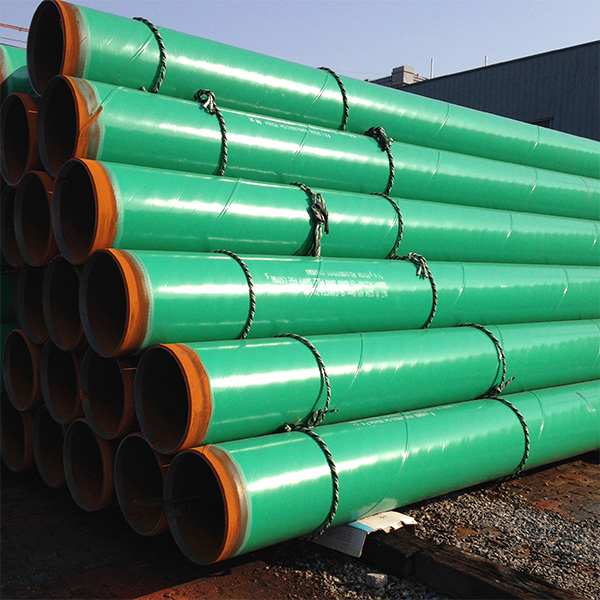
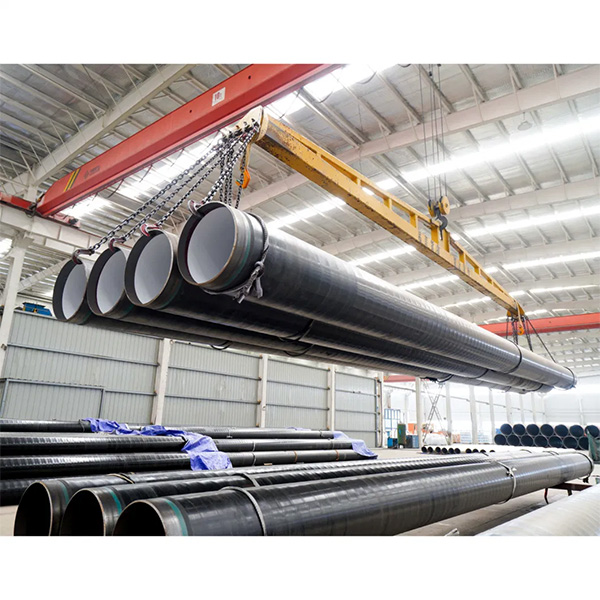
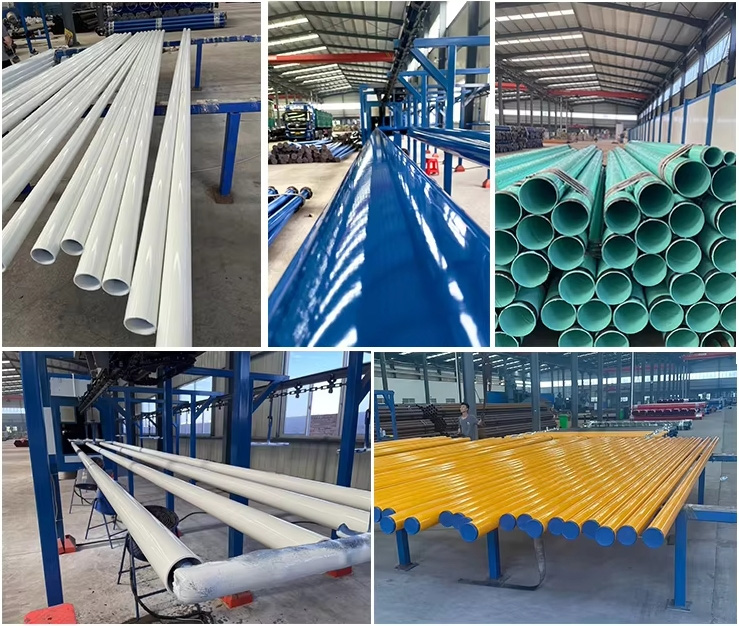
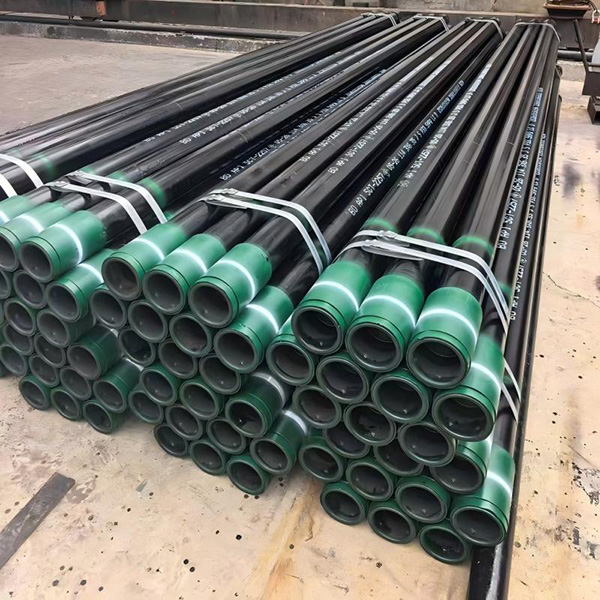
Fusion Bonded Epoxy (FBE) coating is a high-performance thermosetting powder coating applied to steel pipe for external (and sometimes internal) corrosion protection. The epoxy powder is electrostatically sprayed onto a preheated pipe surface, where it melts, flows and cures to form a continuous, strongly adherent film. FBE is widely used as a standalone coating or as the primer layer in 3PE/3PP systems.
Key standards include:
• CSA Z245.20 – Plant-applied external fusion bond epoxy coating for steel pipe
• NACE / AMPP SP0394 – Application, performance and quality control of plant-applied fusion-bonded epoxy
• ISO 21809-2 – External coatings for buried or submerged pipelines – Part 2: FBE
• AWWA C213 – Fusion-bonded epoxy coating for the interior and exterior of steel water pipelines
• Chinese standards: SY/T 0315, GB/T 23257 (related), etc.
2. Coating Types
Type | Description | Typical Thickness |
Single-layer FBE | Standard external corrosion protection | 300–500 µm (12–20 mils) |
Dual-layer FBE | Abrasion-resistant outer layer + corrosion layer | 500–1000+ µm total |
FBE as 3PE primer | First layer under adhesive + PE/PP | 80–150 µm (or higher) |
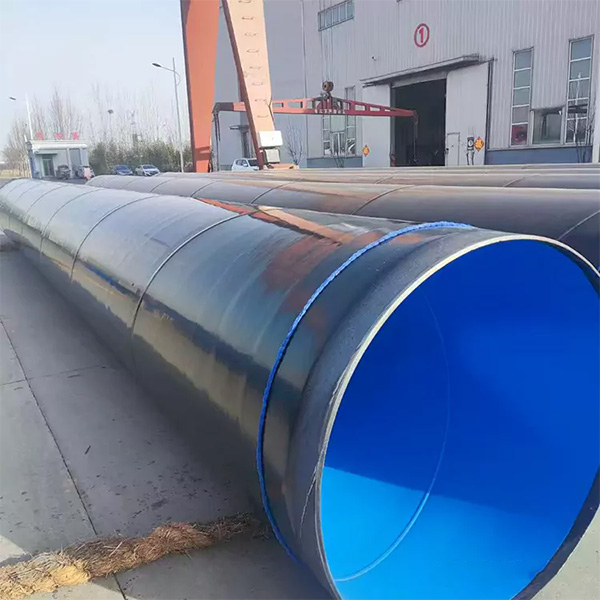
Internal FBE | Flow efficiency & internal corrosion protection | 200–500 µm typical |
3. Key Performance Characteristics
• Excellent adhesion to properly prepared steel
• High resistance to cathodic disbondment
• Good chemical resistance and low permeability
• Suitable for a wide service temperature range (typically –40 °C to +100 °C depending on formulation)
• Compatible with cathodic protection systems
• Can be used alone or as the foundation layer for 3PE/3PP systems
4. Base Pipe
FBE coating can be applied to virtually any suitable steel pipe, including:
• API 5L Grade B to X80 (seamless, ERW, LSAW, SSAW)
• ASTM A53, A106, A252 and equivalent grades
• Water pipe (AWWA), structural and general-purpose steel pipe
5. Surface Preparation & Application
• Surface cleanliness: typically Sa 2½ (near-white metal) or better
• Surface profile: usually 40–100 µm (1.5–4 mils) angular anchor pattern
• Pipe preheat: typically 180–250 °C depending on powder type
• Application: electrostatic spray of epoxy powder
• Curing: residual heat of the pipe completes cross-linking
6. Comparison with 3PE
Aspect | FBE (Standalone) | 3PE System |
Structure | Single (or dual) epoxy layer | FBE + adhesive + PE topcoat |
Mechanical protection | Moderate | Excellent (thick PE layer) |
Impact / abrasion resistance | Good (dual-layer better) | Very high |
Cost | Lower | Higher |
Typical use | Moderate environments, water pipe, 3PE primer | Severe buried / high mechanical demand |
7. Typical Applications
• Buried and submerged oil & gas pipelines (standalone or as 3PE primer)
• Water transmission and distribution pipelines (AWWA C213)
• Internal lining for flow efficiency and corrosion protection
• Rehabilitation and field joint coating systems
• Any application requiring a thin, high-adhesion, chemically resistant barrier coating
8. Important Notes
• A complete specification must include: base pipe standard & grade + FBE standard (CSA Z245.20, ISO 21809-2, AWWA C213, etc.) + thickness + cutback length + holiday detection requirements + any special tests.
• Surface preparation quality is critical; inadequate cleanliness or profile is the most common cause of coating failure.
• Holiday (spark) testing is performed at voltages appropriate to coating thickness to detect pinholes and defects.
• Dual-layer FBE systems provide improved abrasion and impact resistance for rocky or directional-drilling applications.
• For high mechanical demand or rocky backfill, 3PE/3PP systems are often preferred over standalone FBE.